Buy produktiv.eu ?
We are moving the project
produktiv.eu .
Are you interested in purchasing the domain
produktiv.eu ?
domain@kv-gmbh.de · 0541-91531010
Buy produktiv.eu ?
Are wages liabilities?
Yes, wages are considered liabilities for a company because they represent an obligation to pay employees for their work. From an accounting perspective, wages are typically recorded as a liability on the company's balance sheet until they are paid to the employees. This reflects the company's obligation to fulfill its financial commitments to its employees. Therefore, wages are classified as a liability until they are settled. **
What are liabilities and receivables?
Liabilities are obligations or debts that a company owes to external parties, such as loans, accounts payable, or accrued expenses. They represent the company's financial responsibilities that must be settled in the future. Receivables, on the other hand, are amounts owed to a company by its customers or other parties for goods or services provided. They represent the company's right to receive payment and are considered assets on the company's balance sheet. Both liabilities and receivables are important components of a company's financial position and are crucial for assessing its overall financial health. **


Similar search terms for Liabilities
Top-Angebote
Products related to Liabilities:
-
Streamlined Media Console with Organized StorageOpen shelf with cable management hole accommodates devices neatly while keeping wires concealed for a clean, modern look Scratch-resistant, eco-friendly laminate veneer surface provides durability and easy maintenance while supporting daily use of…478,49 $*Shipping: 0,00 $Secure redirect to the provider
-
Boneless Sofa,No Assembly Required Streamlined DesignProduct Features Modular Sectional Sofa: Discover the versatility of our simplified style modular sofa, designed for flexible configurations to fit your needs. Premium Teddy Fabric: Immerse yourself in our high-quality Teddy fabric.348,99 $*Shipping: 0,00 $Secure redirect to the provider
-
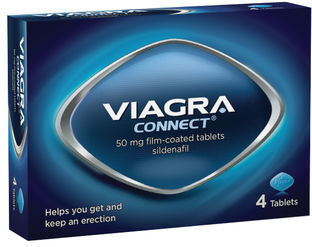
Pfizer Effective Erectile Dysfunction TreatmentOne of the most popular erectile dysfunction medications, clinically proven and used by millions of men worldwide. Viagra Connect is the first erectile dysfunction medication available without needing a prescription.9,99 £*Shipping: 2,90 £Secure redirect to the provider
-
Rueber Innovative Nutrient Nourishing Mask 500mLA hair mask. It a nourishing hair mask rich in amino acids that provides elasticity, vigor, and shine to hair. Its acidic pH protects dry or very dry hair by nourishing and eliminating static electricity. Intensely nourishes and revitalizes dry hair. Improves elasticity and shine. Protects hair structure with an acidic pH.23,46 £*Shipping: 9,79 £Secure redirect to the provider



-
What are transitory assets and/or liabilities?
Transitory assets and/or liabilities are items on a company's balance sheet that are expected to be settled or used up within a relatively short period of time, typically within one year. These items are considered to be temporary in nature and are not expected to have a long-term impact on the company's financial position. Examples of transitory assets include cash, accounts receivable, and inventory, while examples of transitory liabilities include accounts payable and short-term debt. It is important for investors and analysts to understand the nature of these transitory items when evaluating a company's financial health and performance. **
-
Why is equity on the liabilities side?
Equity is placed on the liabilities side of the balance sheet because it represents the claims of the company's owners or shareholders on the company's assets. It is considered a liability because the company has an obligation to its owners to repay their investment in the business. However, unlike other liabilities, equity does not have a fixed repayment schedule and is considered a residual claim, meaning it is only paid out after all other liabilities have been settled. Therefore, equity is categorized as a liability on the balance sheet to accurately reflect the financial obligations of the company. **
-
How are the assets and liabilities evaluated?
Assets and liabilities are evaluated based on their current market value or book value. For assets, this means determining their fair market value, which is the price that they could be sold for in the current market. Liabilities are evaluated based on their current outstanding balance or the amount that is owed. This evaluation helps to determine the financial health and position of a company, as well as its ability to meet its financial obligations. **
-
What is a statement of assets and liabilities?
A statement of assets and liabilities is a financial document that provides a snapshot of an individual's or organization's financial position at a specific point in time. It lists all the assets, such as cash, investments, property, and equipment, as well as all the liabilities, such as loans, mortgages, and other debts. The statement helps to assess the overall financial health and solvency of the entity by comparing the total assets to the total liabilities. It is an essential tool for financial planning, decision-making, and assessing the ability to meet financial obligations. **


How can liabilities be settled in other ways?
Liabilities can be settled in other ways through various means such as debt restructuring, where the terms of the debt are renegotiated to make it more manageable for the debtor. Another way is through debt-for-equity swaps, where the creditor agrees to convert the debt into an ownership stake in the debtor's company. Additionally, liabilities can be settled through the sale of assets, where the debtor sells off assets to generate cash to pay off the liabilities. Finally, some liabilities can be settled through the issuance of new debt to replace the existing liabilities, known as refinancing. **
What is the difference between receivables and liabilities?
Receivables are amounts owed to a company by its customers or other parties for goods or services provided, while liabilities are obligations or debts that a company owes to its creditors or other parties. In other words, receivables represent money that is owed to the company, while liabilities represent money that the company owes to others. Receivables are considered assets on the company's balance sheet, while liabilities are recorded as obligations or debts. **
Top-Angebote
Products related to Liabilities:
-
Discount Dollar Deals Effective Pet Hair Remover Brush For Cats And Dogs Gentle, Efficient Fur Cleaner For Neat And Tidy Homes Effective Pet Hair Remover Brush For Cats And Dogs Gentle, Efficient Fur Cleaner For Neat And Tidy HomesTired of endless pet fur around your home The Effective Pet Hair Remover Brush is your goto solution for keeping your space clean and furfree. Specially designed for cats and dogs, this brush effortlessly removes hair, gently shaving wool while...34,97 $*Shipping: 0,00 $Secure redirect to the provider
-
Streamlined Media Console with Organized StorageOpen shelf with cable management hole accommodates devices neatly while keeping wires concealed for a clean, modern look Scratch-resistant, eco-friendly laminate veneer surface provides durability and easy maintenance while supporting daily use of…478,49 $*Shipping: 0,00 $Secure redirect to the provider
-
Boneless Sofa,No Assembly Required Streamlined DesignProduct Features Modular Sectional Sofa: Discover the versatility of our simplified style modular sofa, designed for flexible configurations to fit your needs. Premium Teddy Fabric: Immerse yourself in our high-quality Teddy fabric.348,99 $*Shipping: 0,00 $Secure redirect to the provider
-
Are wages liabilities?
Yes, wages are considered liabilities for a company because they represent an obligation to pay employees for their work. From an accounting perspective, wages are typically recorded as a liability on the company's balance sheet until they are paid to the employees. This reflects the company's obligation to fulfill its financial commitments to its employees. Therefore, wages are classified as a liability until they are settled. **
-
What are liabilities and receivables?
Liabilities are obligations or debts that a company owes to external parties, such as loans, accounts payable, or accrued expenses. They represent the company's financial responsibilities that must be settled in the future. Receivables, on the other hand, are amounts owed to a company by its customers or other parties for goods or services provided. They represent the company's right to receive payment and are considered assets on the company's balance sheet. Both liabilities and receivables are important components of a company's financial position and are crucial for assessing its overall financial health. **
-
What are transitory assets and/or liabilities?
Transitory assets and/or liabilities are items on a company's balance sheet that are expected to be settled or used up within a relatively short period of time, typically within one year. These items are considered to be temporary in nature and are not expected to have a long-term impact on the company's financial position. Examples of transitory assets include cash, accounts receivable, and inventory, while examples of transitory liabilities include accounts payable and short-term debt. It is important for investors and analysts to understand the nature of these transitory items when evaluating a company's financial health and performance. **
-
Why is equity on the liabilities side?
Equity is placed on the liabilities side of the balance sheet because it represents the claims of the company's owners or shareholders on the company's assets. It is considered a liability because the company has an obligation to its owners to repay their investment in the business. However, unlike other liabilities, equity does not have a fixed repayment schedule and is considered a residual claim, meaning it is only paid out after all other liabilities have been settled. Therefore, equity is categorized as a liability on the balance sheet to accurately reflect the financial obligations of the company. **
Similar search terms for Liabilities
-
Pfizer Effective Erectile Dysfunction TreatmentOne of the most popular erectile dysfunction medications, clinically proven and used by millions of men worldwide. Viagra Connect is the first erectile dysfunction medication available without needing a prescription.9,99 £*Shipping: 2,90 £Secure redirect to the provider
-
Rueber Innovative Nutrient Nourishing Mask 500mLA hair mask. It a nourishing hair mask rich in amino acids that provides elasticity, vigor, and shine to hair. Its acidic pH protects dry or very dry hair by nourishing and eliminating static electricity. Intensely nourishes and revitalizes dry hair. Improves elasticity and shine. Protects hair structure with an acidic pH.23,46 £*Shipping: 9,79 £Secure redirect to the provider
-
Mason Cash Innovative Kitchen Lasagne DishThe Mason Cash Innovative Kitchen Lasagne Dish is made from stoneware which provides gradual and even heat distribution. A vented base also ensures optimal heat distribution whilst right angled corners and precision sizing accommodate most lasagne sheets without the need to break them down. Steep sides allow for higher layering and help distribute heat evenly. Mason Cash ovenware classics have been given the Innovative Kitchen treatment in this range. Carefully selected materials with innovative features that improve their performance for tastier results. The Mason Cash Innovative Kitchen Lasagne Dish measures H 7.3cm x W 31.5cm x D 20.5cm with a capacity of 2.5 litres.16,10 £*Shipping: 3,50 £Secure redirect to the provider
-
How are the assets and liabilities evaluated?
Assets and liabilities are evaluated based on their current market value or book value. For assets, this means determining their fair market value, which is the price that they could be sold for in the current market. Liabilities are evaluated based on their current outstanding balance or the amount that is owed. This evaluation helps to determine the financial health and position of a company, as well as its ability to meet its financial obligations. **
-
What is a statement of assets and liabilities?
A statement of assets and liabilities is a financial document that provides a snapshot of an individual's or organization's financial position at a specific point in time. It lists all the assets, such as cash, investments, property, and equipment, as well as all the liabilities, such as loans, mortgages, and other debts. The statement helps to assess the overall financial health and solvency of the entity by comparing the total assets to the total liabilities. It is an essential tool for financial planning, decision-making, and assessing the ability to meet financial obligations. **
-
How can liabilities be settled in other ways?
Liabilities can be settled in other ways through various means such as debt restructuring, where the terms of the debt are renegotiated to make it more manageable for the debtor. Another way is through debt-for-equity swaps, where the creditor agrees to convert the debt into an ownership stake in the debtor's company. Additionally, liabilities can be settled through the sale of assets, where the debtor sells off assets to generate cash to pay off the liabilities. Finally, some liabilities can be settled through the issuance of new debt to replace the existing liabilities, known as refinancing. **
-
What is the difference between receivables and liabilities?
Receivables are amounts owed to a company by its customers or other parties for goods or services provided, while liabilities are obligations or debts that a company owes to its creditors or other parties. In other words, receivables represent money that is owed to the company, while liabilities represent money that the company owes to others. Receivables are considered assets on the company's balance sheet, while liabilities are recorded as obligations or debts. **
* All prices are inclusive of VAT and, if applicable, plus shipping costs. The offer information is based on the details provided by the respective shop and is updated through automated processes. Real-time updates do not occur, so deviations can occur in individual cases. ** Note: Parts of this content were created by AI.