Buy produktiv.eu ?
We are moving the project
produktiv.eu .
Are you interested in purchasing the domain
produktiv.eu ?
domain@kv-gmbh.de · 0541-91531010
Buy produktiv.eu ?
What is the difference between ecological and sustainable?
Ecological refers to the relationship between organisms and their environment, focusing on the interactions and interdependencies within ecosystems. It emphasizes the importance of preserving natural habitats and biodiversity. On the other hand, sustainable refers to the ability to meet the needs of the present without compromising the ability of future generations to meet their own needs. It encompasses a broader concept of responsible resource use, social equity, and economic viability. While ecological focuses on the natural environment, sustainable encompasses a more holistic approach that includes social and economic aspects. **
What is the difference between ecological backpack, ecological balance, and ecological footprint?
The ecological backpack refers to the amount of natural resources and energy required to support an individual's lifestyle and consumption habits. Ecological balance refers to the state of equilibrium within an ecosystem, where the interactions between living organisms and their environment are stable and sustainable. Ecological footprint measures the impact of human activities on the environment by calculating the amount of biologically productive land and water required to sustain those activities. In summary, the ecological backpack focuses on individual consumption, ecological balance on the stability of ecosystems, and ecological footprint on the overall environmental impact of human activities. **

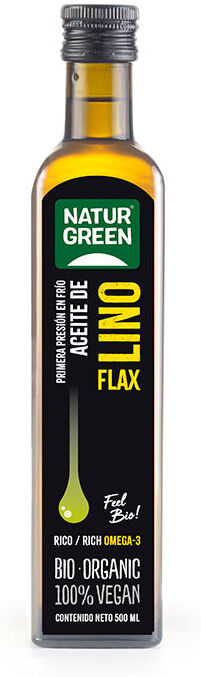
Similar search terms for Naturgreen-Ecological-linen-oil
Top-Angebote
Products related to Naturgreen-Ecological-linen-oil:
-
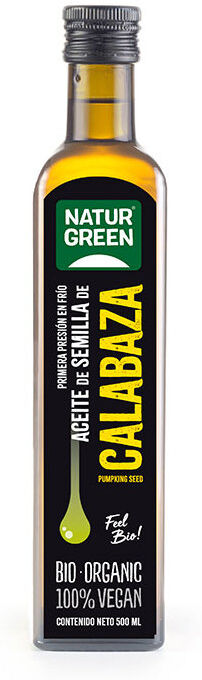
Naturgreen Ecological pumpkin seed oil 500 mlNutrition and Supplements Sauces and Condiments Naturgreen Ecological pumpkin seed oil 500 ml Ecological pumpkin seed oil can be used in the elaboration of numerous dishes and dressing, but not to fry.11,37 £*Shipping: 4,99 £Secure redirect to the provider

-
How does sustainable agriculture reduce the ecological footprint in Germany?
Sustainable agriculture in Germany reduces the ecological footprint by promoting practices that minimize the use of synthetic pesticides and fertilizers, which can harm the environment. By implementing crop rotation, organic farming methods, and agroforestry, sustainable agriculture helps to maintain soil health and biodiversity. Additionally, sustainable agriculture in Germany focuses on reducing greenhouse gas emissions by promoting renewable energy sources and efficient farming techniques, ultimately contributing to a more environmentally friendly food production system. **
-
Are dams sustainable? What ecological dangers arise from a dam?
Dams are not always sustainable as they can have significant ecological impacts. One of the main dangers that arise from dams is the disruption of natural river flow, which can harm aquatic ecosystems and impact the migration patterns of fish. Dams can also lead to the loss of habitat for various species, alter water temperature and quality, and contribute to the decline of biodiversity in the surrounding areas. Additionally, the construction of dams can displace communities and disrupt the livelihoods of people who depend on the natural resources of the river. **
-
Was the GDR more sustainable and ecological than we are today?
The GDR (East Germany) did prioritize certain environmental policies and invested in renewable energy sources such as wind and solar power. However, the overall environmental impact of the GDR was not sustainable, as the government prioritized rapid industrialization and neglected environmental protection. Today, while there are still many environmental challenges, there is a greater awareness and commitment to sustainability and ecological practices. The development of green technologies and the implementation of environmental regulations demonstrate a greater effort towards sustainability than was seen in the GDR. **
-
What are linen stripes?
Linen stripes are a type of fabric pattern where thin lines or bands are woven into the fabric, creating a striped design. These stripes can vary in width, color, and spacing, adding visual interest and texture to the fabric. Linen stripes are commonly used in clothing, home decor, and accessories to create a classic and timeless look. **


Has anyone of you had experience with bed linen made of 100% linen?
Yes, I have had experience with bed linen made of 100% linen. Linen bed sheets are known for their durability, breathability, and natural texture. They are great for hot sleepers as they wick away moisture and keep you cool during the night. Additionally, linen bedding tends to get softer and more comfortable with each wash, making it a popular choice for many people looking for high-quality bedding. **
Is a consumption of 17 liters per 100 kilometers still ecological and sustainable?
A consumption of 17 liters per 100 kilometers is not considered ecological or sustainable. This level of fuel consumption indicates a high level of emissions and a significant impact on the environment. Sustainable and ecological transportation options typically aim for much lower fuel consumption, such as with hybrid or electric vehicles, public transportation, or biking and walking. Therefore, a consumption of 17 liters per 100 kilometers would not be considered environmentally friendly. **
Top-Angebote
Products related to Naturgreen-Ecological-linen-oil:
-
What is the difference between ecological and sustainable?
Ecological refers to the relationship between organisms and their environment, focusing on the interactions and interdependencies within ecosystems. It emphasizes the importance of preserving natural habitats and biodiversity. On the other hand, sustainable refers to the ability to meet the needs of the present without compromising the ability of future generations to meet their own needs. It encompasses a broader concept of responsible resource use, social equity, and economic viability. While ecological focuses on the natural environment, sustainable encompasses a more holistic approach that includes social and economic aspects. **
-
What is the difference between ecological backpack, ecological balance, and ecological footprint?
The ecological backpack refers to the amount of natural resources and energy required to support an individual's lifestyle and consumption habits. Ecological balance refers to the state of equilibrium within an ecosystem, where the interactions between living organisms and their environment are stable and sustainable. Ecological footprint measures the impact of human activities on the environment by calculating the amount of biologically productive land and water required to sustain those activities. In summary, the ecological backpack focuses on individual consumption, ecological balance on the stability of ecosystems, and ecological footprint on the overall environmental impact of human activities. **
-
How does sustainable agriculture reduce the ecological footprint in Germany?
Sustainable agriculture in Germany reduces the ecological footprint by promoting practices that minimize the use of synthetic pesticides and fertilizers, which can harm the environment. By implementing crop rotation, organic farming methods, and agroforestry, sustainable agriculture helps to maintain soil health and biodiversity. Additionally, sustainable agriculture in Germany focuses on reducing greenhouse gas emissions by promoting renewable energy sources and efficient farming techniques, ultimately contributing to a more environmentally friendly food production system. **
-
Are dams sustainable? What ecological dangers arise from a dam?
Dams are not always sustainable as they can have significant ecological impacts. One of the main dangers that arise from dams is the disruption of natural river flow, which can harm aquatic ecosystems and impact the migration patterns of fish. Dams can also lead to the loss of habitat for various species, alter water temperature and quality, and contribute to the decline of biodiversity in the surrounding areas. Additionally, the construction of dams can displace communities and disrupt the livelihoods of people who depend on the natural resources of the river. **
Similar search terms for Naturgreen-Ecological-linen-oil
-
Naturgreen Ecological pumpkin seed oil 500 mlNutrition and Supplements Sauces and Condiments Naturgreen Ecological pumpkin seed oil 500 ml Ecological pumpkin seed oil can be used in the elaboration of numerous dishes and dressing, but not to fry.11,37 £*Shipping: 4,99 £Secure redirect to the provider
-
Was the GDR more sustainable and ecological than we are today?
The GDR (East Germany) did prioritize certain environmental policies and invested in renewable energy sources such as wind and solar power. However, the overall environmental impact of the GDR was not sustainable, as the government prioritized rapid industrialization and neglected environmental protection. Today, while there are still many environmental challenges, there is a greater awareness and commitment to sustainability and ecological practices. The development of green technologies and the implementation of environmental regulations demonstrate a greater effort towards sustainability than was seen in the GDR. **
-
What are linen stripes?
Linen stripes are a type of fabric pattern where thin lines or bands are woven into the fabric, creating a striped design. These stripes can vary in width, color, and spacing, adding visual interest and texture to the fabric. Linen stripes are commonly used in clothing, home decor, and accessories to create a classic and timeless look. **
-
Has anyone of you had experience with bed linen made of 100% linen?
Yes, I have had experience with bed linen made of 100% linen. Linen bed sheets are known for their durability, breathability, and natural texture. They are great for hot sleepers as they wick away moisture and keep you cool during the night. Additionally, linen bedding tends to get softer and more comfortable with each wash, making it a popular choice for many people looking for high-quality bedding. **
-
Is a consumption of 17 liters per 100 kilometers still ecological and sustainable?
A consumption of 17 liters per 100 kilometers is not considered ecological or sustainable. This level of fuel consumption indicates a high level of emissions and a significant impact on the environment. Sustainable and ecological transportation options typically aim for much lower fuel consumption, such as with hybrid or electric vehicles, public transportation, or biking and walking. Therefore, a consumption of 17 liters per 100 kilometers would not be considered environmentally friendly. **
* All prices are inclusive of VAT and, if applicable, plus shipping costs. The offer information is based on the details provided by the respective shop and is updated through automated processes. Real-time updates do not occur, so deviations can occur in individual cases. ** Note: Parts of this content were created by AI.